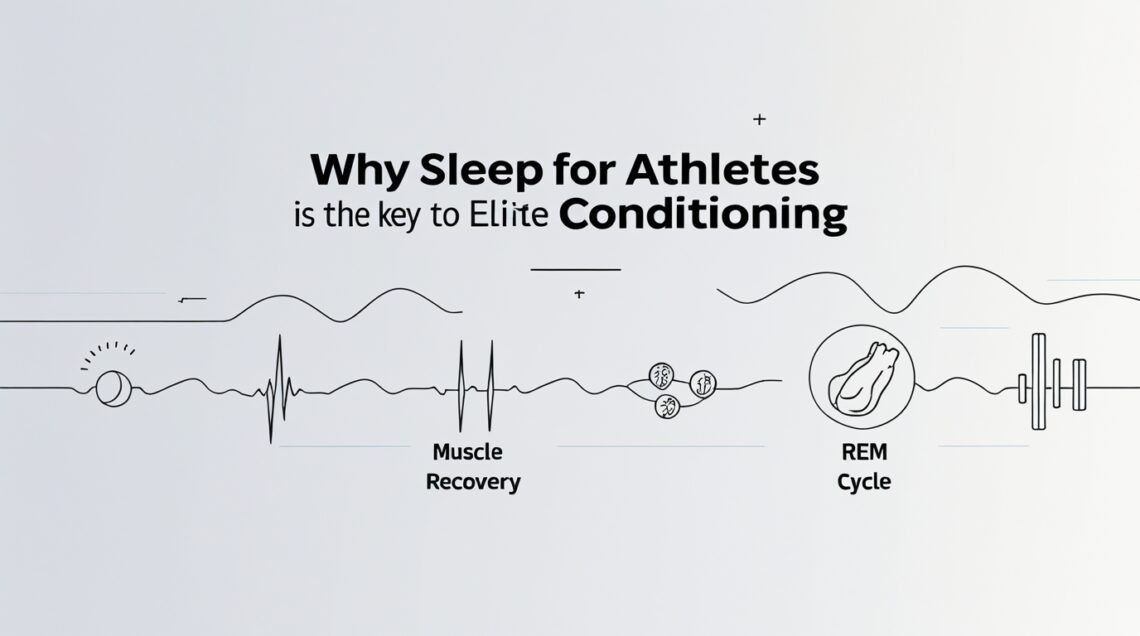
In the relentless pursuit of athletic supremacy, we often focus on the tangible: the perfectly executed drill, the grueling strength session, the meticulously counted calories. Coaches demand more reps, trainers push heavier weights, and athletes chase marginal gains in every waking moment. Yet, the single most powerful, legal, and universally accessible tool for unlocking elite athletic performance happens when the athlete is entirely still and unconscious. That tool is sleep.
Sleep as the Body’s Anabolic Window:
The body undergoes a remarkable physiological transformation during deep sleep, shifting from a catabolic (breaking down) state to a powerful anabolic (building up) state. This hormonal switch is the engine of muscle repair and strength adaptation.
1. Growth Hormone: The Master Builder:
The vast majority of the body’s Human Growth Hormone (HGH) is secreted in powerful pulses during the deepest phases of non-REM (NREM) sleep, particularly during the first few hours of the night. HGH is indispensable for an athlete’s success:
- Tissue Repair and Regeneration: HGH stimulates the production of Insulin-like Growth Factor 1 (IGF-1), which drives the healing of micro-tears in muscle tissue caused by intense training. This process is how the muscle adapts and grows stronger. Without adequate deep sleep, the production of HGH is severely compromised, directly crippling the training effect.
- Fat Metabolism: HGH plays a critical role in promoting the use of fat as a primary energy source, sparing carbohydrate stores and improving an athlete’s body composition. This hormonal action makes quality sleep a vital component of any cutting or maintenance phase.
- Collagen Synthesis: HGH is crucial for the repair and strengthening of tendons, ligaments, and cartilage, reducing the athlete’s vulnerability to common soft-tissue injuries.
2. Testosterone and Cortisol: The Balance of Power:
Sleep is the primary regulator of the crucial balance between testosterone (anabolic, muscle-building) and cortisol (catabolic, stress-inducing).
- Testosterone Optimization: Optimal sleep quantity, typically between 7 and 9 hours for the general population, and 9 to 10 hours for elite athletes, is required to maintain high baseline levels of testosterone. Insufficient sleep, even for a single night, can lead to a significant drop in free testosterone, effectively slowing down muscle recovery and strength gains.
- Cortisol Management: Cortisol, the primary stress hormone, is necessary for waking and metabolism, but chronically high levels break down muscle tissue and suppress the immune system. Deep sleep is essential for resetting and lowering cortisol levels throughout the night, ensuring the athlete wakes up in an optimal hormonal state, ready for the next training session. A poor sleep pattern leaves the athlete in a persistent state of high stress and recovery deficit.
Neural and Cognitive Superiority:
The impact of sleep extends far beyond the muscles; it is the foundational requirement for peak neurological function, decision-making, and skill acquisition. The difference between a good athlete and an elite athlete often comes down to seconds, inches, and split-second decisions, all governed by the rested brain.
1. Motor Skill Consolidation:
One of the most profound effects of sleep is its role in memory and motor skill consolidation.
- Rehearsal and Learning: During REM (Rapid Eye Movement) sleep and some NREM stages, the brain actively replays and stabilizes the complex motor sequences learned during the day. This process transforms conscious effort (the practice) into unconscious, automatic execution (the game-day skill).
- Improved Accuracy and Speed: Studies involving complex motor tasks, such as serving in tennis or executing a specific football play, have consistently shown that athletes who receive adequate sleep following practice demonstrate superior recall, faster reaction times, and higher consistency than those who are sleep deprived. Optimal sleep makes practice stick.
2. Enhanced Reaction Time and Alertness:
The physiological effects of sleep deprivation manifest most critically in cognitive decline, directly impacting performance in high-stakes, fast-paced sports.
- Losing the Edge: Just a few hours of missed sleep can significantly impair reaction time, which is devastating in sports like baseball, basketball, or boxing. The deficit can be equivalent to having an elevated blood alcohol level.
- Emotional Regulation: Poor sleep reduces activity in the prefrontal cortex, the brain area responsible for impulse control and complex decision-making. This can lead to increased irritability, poor temper control, and impulsive errors during competition. Strategic sleep ensures the athlete maintains emotional composure under pressure.
3. Injury Prevention Through Improved Coordination:
Chronic sleep deprivation is a known risk factor for athletic injury. Fatigue impairs proprioception (the body’s sense of its position in space) and coordination.
- The Fatigue Cascade: When an athlete is fatigued due to lack of sleep, their stabilizing muscles fatigue faster, and their neuromuscular coordination degrades. They are less able to absorb sudden impacts or correct a stumble, making them far more susceptible to ligament tears, sprains, and muscle strains. One landmark study showed that high school athletes who averaged less than eight hours of sleep per night were 1.7 times more likely to suffer an injury than those who slept eight hours or more. Sufficient sleep is, therefore, a fundamental injury prevention strategy.
Fueling Sustained Performance:
For endurance athletes, team sports players, and anyone requiring sustained effort, sleep is a metabolic regulator that governs energy storage and utilization. Sleep dictates how efficiently the body burns fuel.
1. Glucose and Insulin Sensitivity:
Sleep has a profound, direct influence on the body’s ability to manage blood sugar, which is critical for maintaining energy levels during protracted physical exertion.
- Impaired Glucose Tolerance: Even partial sleep deprivation (e.g., four hours of sleep) over a few nights can significantly impair insulin sensitivity. When cells become less responsive to insulin, glucose remains elevated in the bloodstream, and the body becomes less efficient at storing glycogen, the crucial energy reserve in muscles and the liver.
- Glycogen Resynthesis: The rapid and complete restoration of muscle and liver glycogen stores is paramount after a strenuous workout. While diet is necessary, the process is optimized during sleep. Failure to restore glycogen completely means the athlete starts the next session with a depleted tank, leading to premature fatigue and compromised intensity. Restorative sleep ensures the fuel tank is full.
2. Appetite Regulation and Weight Management:
Sleep directly controls the balance of two key hormones that govern hunger and satiety: ghrelin and leptin.
- Ghrelin and Leptin Imbalance: Sleep deprivation increases levels of ghrelin (the hunger-stimulating hormone) and decreases levels of leptin (the satiety-signaling hormone). This double-whammy leads to increased appetite and a specific craving for high-calorie, high-carbohydrate foods, a recipe for undesired fat gain and poorer body composition.
- Calorie Efficiency: Sleep helps the athlete maintain a lean, powerful physique by supporting efficient metabolism. Consistent sleep patterns help maintain the caloric deficit or surplus required for specific training phases without the constant mental battle against hormonal hunger cues.
Mastering Sleep Hygiene for Athletes:
For sleep to deliver its benefits, it must be consistently high-quality. Athletes must treat their sleep environment and routines with the same rigor they apply to their diet and training plan. This practice is known as sleep hygiene.
1. Consistency is King: The Circadian Rhythm:
The body’s internal clock, or circadian rhythm, thrives on routine. Irregular sleep schedules are a form of chronic jet lag that disrupts hormonal release and core body temperature cycles.
- Set the Alarm for Bed: Athletes should aim to go to sleep and wake up at the same time every day, including weekends. This stabilizes the circadian rhythm, which in turn optimizes the timing of HGH release and cortisol troughs.
- The Power Nap: A short, strategic midday nap (20 to 30 minutes) can significantly improve alertness, memory, and performance later in the day without interfering with nighttime sleep. However, longer naps should be avoided as they can lead to grogginess and disrupt the overnight cycle.
2. The Ideal Sleep Environment (The Cave Protocol):
The athletic sleep environment should be optimized to facilitate the rapid onset and maintenance of deep sleep.
- Cool, Dark, and Quiet (The Cave): The body’s core temperature needs to drop slightly to initiate sleep. The ideal bedroom temperature is typically between 60°F and 67°F (15°C and 19°C). Total darkness is essential because even small amounts of light can disrupt melatonin production.
- Noise Control: Minimize noise using earplugs or a consistent white noise machine, which masks sudden, disruptive sounds.
3. The Digital Detox and Pre-Sleep Routine:
Technology is one of the biggest threats to sleep hygiene in modern life, especially for athletes who rely heavily on devices for communication and data.
- The Blue Light Threat: The blue light emitted by screens (phones, tablets, laptops) suppresses the release of melatonin, the hormone that signals to the brain that it is time to sleep. Athletes should implement a mandatory digital blackout 60 to 90 minutes before bedtime.
- The Wind-Down Ritual: The hour before sleep should be dedicated to a calming, non-stimulating routine, such as light stretching, reading a physical book, or listening to calm music. This ritual prepares the mind and body for restorative sleep.
Sleep Tracking and Optimization:
Elite athletes no longer rely on guesswork; they quantify every aspect of their performance, and sleep is no exception. Advances in wearable technology have made sleep tracking an indispensable tool for customized conditioning.
1. Understanding Sleep Metrics:
Athletes must move beyond simply tracking hours and focus on the quality and composition of their sleep.
- Total Sleep Time (TST): The total amount of time spent actually sleeping. While TST is important, it does not tell the full story.
- Sleep Stages: Monitoring the duration of Deep Sleep (NREM Stage 3 and 4), where physical restoration and HGH release occur, and REM Sleep, where cognitive and emotional processing occurs, provides actionable insights. A reduction in deep sleep is a warning sign of overtraining or insufficient recovery.
- Sleep Latency: The amount of time it takes to fall asleep. A latency that is too short (falling asleep instantly) can indicate chronic sleep deprivation.
2. Personalized Recovery Protocols:
Sleep tracking data allows coaches and sports scientists to create highly individualized training and recovery plans.
- Adjusting Training Load: If an athlete’s deep sleep percentage is consistently low, a coach may reduce the volume or intensity of the next day’s workout to prioritize recovery and prevent overtraining syndrome.
- Targeting Travel Disruption: Tracking tools help athletes and teams manage jet lag more effectively. By monitoring the shift in their circadian rhythm during travel, coaches can strategically time meal intake, light exposure, and sleep times to speed up adaptation to a new time zone.
The Ultimate Performance Enhancer:
For too long, the culture of sports glorified pushing through fatigue. The modern, scientifically informed approach recognizes that sustainable elite athletic performance is achieved not by minimizing rest, but by optimizing it. Sleep is the crucial third pillar, standing alongside training and nutrition.
It is during the quiet hours of sleep that the hard work of the day pays off, muscles are repaired, hormones are balanced, memories are consolidated, and the mind is sharpened. The athlete who prioritizes sleep is simply better equipped to handle the physical and mental demands of competition. They are faster, stronger, less prone to injury, and more mentally resilient. For any athlete aiming for the top of their game, treating sleep as a fundamental, non-negotiable part of their training strategy is the smartest and most powerful upgrade they can make to their conditioning.
FAQs:
Q1: How much sleep should an elite athlete aim for each night?
A: While the general recommendation is 7 to 9 hours, elite athletes should aim for 9 to 10 hours of quality sleep to maximize physical and cognitive recovery.
Q2: What is the main hormonal benefit of deep sleep for athletes?
A: The majority of Human Growth Hormone (HGH), essential for tissue repair and muscle building, is released during the deepest phases of non-REM sleep.
Q3: Does taking a short nap help an athlete’s performance?
A: Yes, a strategic 20-to-30-minute power nap can significantly boost alertness, reaction time, and memory without disrupting nighttime sleep.
Q4: How does poor sleep increase an athlete’s risk of injury?
A: Sleep deprivation impairs coordination and proprioception, making the athlete slower to react and less stable, thereby increasing the risk of sprains and strains.
Q5: What are the two key appetite hormones affected by lack of sleep?
A: Lack of sleep increases ghrelin (hunger) and decreases leptin (satiety), leading to increased cravings for high-calorie foods.
Q6: What is the single most important rule of good sleep hygiene for athletes?
A: Consistency, going to sleep and waking up at the same time every day to stabilize the body’s circadian rhythm.
